Trusted by more than 600 colleges and universities
Institutions of all types and sizes leverage Simple Higher Ed technology to enhance their academic processes—explore our latest successes.
Public 4 Years
Private 4 Years
Public 2 Years
Testimonials
Sharing success stories and best practices
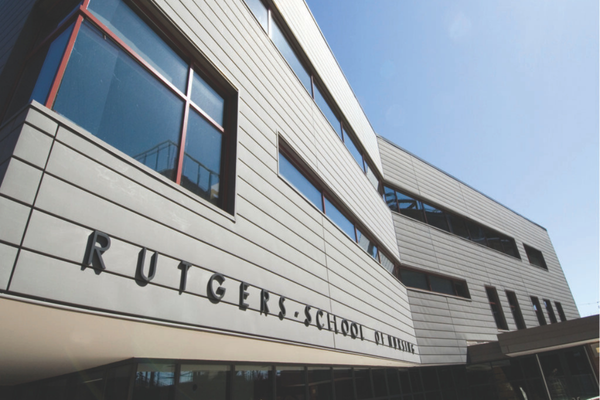
Rutgers University, School of Nursing
Jeannette Manchester, Associate Dean for the Center for Educational Innovation and Quality, and Giuseppina LaTorre, Program Assistant for the Center for Educational Innovation and Quality
The Challenge: Rutgers School of Nursing needed a better way to manage syllabus content across a complex academic environment. As Word-based templates were downloaded, copied, and modified over time, approved language, course outcomes, and student-facing information became increasingly difficult to keep consistent.
Wichita State University Campus of Applied Sciences and Technology
Robert Gibson, Dean of Instructional Design
The Challenge: WSU Tech relied on spreadsheets to manually review 400 to 500 online and hybrid courses just seven days before launch. The process placed heavy strain on the instructional design team and left faculty feeling disconnected from an otherwise important quality effort.
The Challenge: Cowley relied on manual spreadsheets to validate course quality at scale, but the process was slow, inconsistent, and fragile. With hundreds of sections to review every term and no ability to grow staff, quality checks became difficult to manage, and small issues often reached students unnoticed.
The Challenge: The University of North Dakota sought to
modernize its syllabus process. However, the
vendor chosen through an RFP specialized
mainly in catalog and curriculum management,
and their platform ultimately fell short in terms
of syllabus management. Faculty found the
system cumbersome, adoption stalled, and
nearly a third of courses remained unsupported.
Leadership lacked visibility, students struggled
to access information, and frustration mounted
across the university.
Dr. Jennifer Kienzle, Associate Dean of Online Learning, and Dr. Sheri Miraglia, Accreditation Steering Committee co-chair
The Challenge: CCSF, a large and
diverse institution, struggled with syllabus
inconsistency that put accreditation readiness
at risk. Syllabi were scattered across Google
Drive folders, emails, and even paper binders,
with no standard format or central access. This
lack of structure made audits difficult and left
faculty without clear guidance. Critical elements
like student learning outcomes, institutional
policies, and support services were often
missing, creating real vulnerabilities in meeting
accreditation standards.
The Challenge: SAU Tech initially struggled with cumbersome
manual syllabus processes. Collecting, storing,
and retrieving syllabi strained their small team.
Their first adoption of a vended syllabus tool
brought improvements but faculty found it
complex to navigate and their admin team
encountered limitations when managing
templates. Lacking intuitive public access and
seeking greater efficiency, SAU Tech recognized
the need for a more user-friendly syllabus
system to reduce administrative workload and
better support their campus community.
Dr. Gavin Harper, Director of SLCC Online, eLearning, and Competency-Based Education
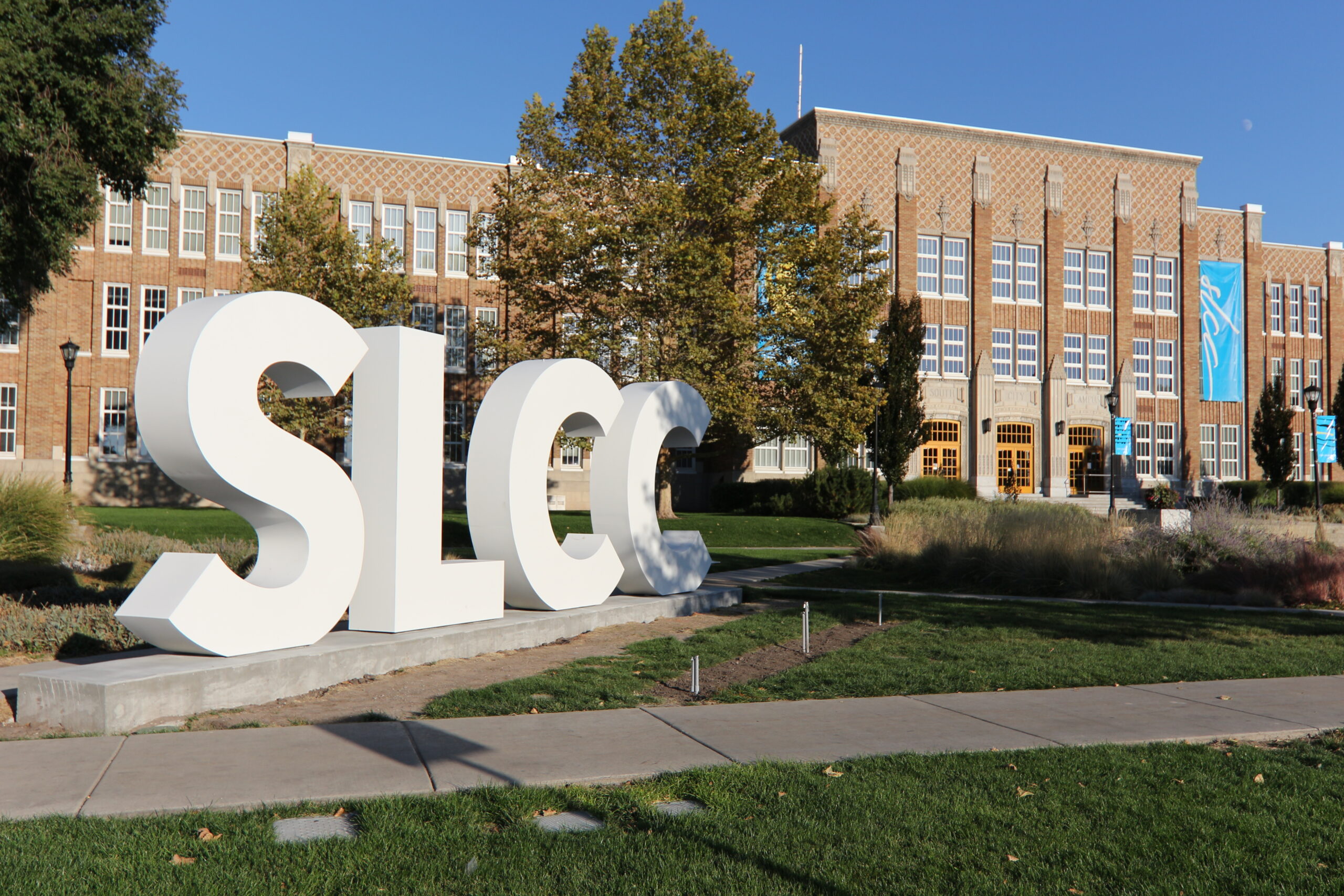
The Challenge: Salt Lake Community College (SLCC)
encouraged faculty creativity in syllabus
design, but faced challenges with consistency,
compliance, and accessibility. Syllabi varied
in format, making it difficult for students to
compare courses. Manual tracking created
administrative burdens when reviewing courses
for curriculum consistencies, and outdated
information posed risks. SLCC needed a
solution to balance faculty creativity with
institutional requirements while improving the
student experience and streamlining workflows.
The Challenge: FIU needed a way to ensure all syllabi were relevant and up-to-date, and published in a consistent format with the necessary information to meet regulatory requirements. This required a mechanism to easily effectuate real-time changes. FIU had been unable to efficiently track and report on the status of syllabi submissions, making them uncertain if deadlines for publishing documents were met. A way to archive, retain, analyze and report on syllabus content and course data was also required.
The Challenge: When the Higher Learning Commission placed an increased emphasis on student communication and clear articulation of goals in courses, Montcalm Community College began the search for a better way. Old institutional processes for syllabus creation failed to provide adequate mechanisms to track or analyze success with requirements. Furthermore, institutional resources were limited, and a manual review of every course syllabus for compliance was not feasible.
The Challenge: Palm Beach State College supported syllabus publishing for years through a homegrown platform. However, as functional needs increased, such as integration with the institution’s faculty directory portal, PantherNet, and user support continued, research for an alternative solution gained traction—ultimately resulting in the selection and implementation of Simple Syllabus.
The Challenge: Instructors and staff at San Juan College never imagined how time-consuming continual updates to the curriculum could be—manually updating two different but similar documents, a syllabus, and a course guide. Additionally, these crucial documents did not meet accessibility standards—a problem experienced by many institutions as they look to enhance student capabilities. Furthermore, tracking changes and ensuring accurate content was manual and cumbersome.
Dr. Julie McElhany, Director—Office of Faculty Development
The Challenge: After analyzing course evaluations and student data surveys, SAGU found the lack of consistency in syllabi presentation and navigation negatively impacted the student experience